Stucco should shed water, hold its color, and protect the wall assembly underneath. When brown, yellow, or white stains show up on exterior stucco, something in the wall is off. In Beacon Heights, that “something” is often moisture movement caused by aging cladding, failed flashings, or Alberta’s harsh freeze-thaw cycles. Water stains are not a cosmetic defect. They are a signal. Read the pattern, and the fix becomes clear.
This article explains what common stucco stains mean, why they form in North East Edmonton, and how an experienced team approaches repair. It also shows how Beacon Heights AB stucco contractors diagnose hidden moisture, stop ongoing leaks, and update older envelopes with acrylic stucco or EIFS for long-term protection. The goal is to help homeowners read the signs early and make smart repair choices that protect structure, comfort, and value.
Why stains show up on stucco in Beacon Heights
Beacon Heights is full of post-war bungalows and one-and-a-half storey homes built in the late 1940s and 1950s. Many still rely on traditional hard coat stucco over wood sheathing. Decades of winter movement, minor settling, and small flashing gaps give water places to enter. In spring thaws, liquid water tries to exit through the most porous path. The face of stucco becomes that path, and staining marks the route.
Alberta’s climate swings run from deep freeze to summer heat. These shifts expand and contract the wall. Hairline cracks open. Sealants split. Ice forms behind the finish coat. That ice grinds at the bond between coats. Over time, the wall starts to show discolored streaks, circles, and ghosting under windows and decks. Each pattern points to a different failure in the wall assembly.
What different stain colors and patterns often mean
A contractor reads stains the way a mechanic reads a dashboard light. Color, shape, and location guide the next step.
Yellow-brown streaks under windows or along vertical seams usually indicate water washing tannins or dirt through a crack or joint. The source is often failed window flashing, a split sealant bead, or a gap at stucco control joints. The fix focuses on water entry points first, then finish repair.
White, powdery bloom on the surface is often efflorescence. This is mineral salt moving to the surface with moisture and crystallizing as the water evaporates. It often shows near the base of walls, on parging, or under deck connections. Efflorescence stucco contractors in Beacon Heights AB points to trapped moisture, missing or clogged weep screeds, or a blocked drainage plane. The white deposit wipes off easily, but it returns until the wall drains again.
Dark “wet spots” that linger long after rain suggest ongoing intrusion and poor drying behind the finish coat. In Beacon Heights, these often appear under deck ledger boards, at roof-to-wall junctions, or where new additions join older stucco. Dark patches, paired with a soft or hollow feel when tapped, can indicate delamination. Water is breaking the bond between coats, or the substrate is compromised.
Rust-colored runs can appear near lath penetrations or fasteners if bare steel is present behind the coat. On older retrofits, mixed metals and cut lath edges can corrode if the wall holds moisture. Rust points to both water presence and a need to evaluate lath, fasteners, and coatings.
Green or black algae on the north and east elevations is common in shaded areas with frequent wetting. It signals slow drying and may connect to poor drainage, restricted airflow near grade, or heavy sprinkler exposure. Algae itself is a surface issue, but the moisture that feeds it deserves a closer look.
What the stains are telling the wall to fix first
Surface cleaning and paint can hide stains for a season. If the wall still traps or channels water, the marks return. In practice, the fix runs in a clear order: find entry points, restore drainage, repair structure, then refinish. Skipping steps costs more later.
An experienced Beacon Heights AB stucco contractor starts with a visual review of windows, doors, roof-to-wall junctions, decks, and penetrations. They look for failed sealant, open control joints, and thin or cracked parging. On older homes, they pay attention to retrofitted lights, vents, and hose bibs that pierce the cladding.
Moisture mapping follows. Thermal imaging cameras and pin or capacitance meters help reveal wet sheathing, insulation voids, and cold bridges. In Edmonton’s T5W and T5A postal codes, this step matters, since cold spots can signal both heat loss and hidden moisture.
If readings show trapped water, the team opens a controlled test area. That cut tells the truth. A contractor can see lath condition, scratch and brown coat bond, and the state of sheathing. They check for a drainage plane, building wrap, and weep screeds. On many post-war bungalows, original assemblies lack modern drainage details. Without a path out, water lingers and stains form.
Common Beacon Heights causes behind the stains
Hairline cracking in traditional cement stucco is common after decades of freeze-thaw. These cracks let wind-driven rain behind the finish. If the wall lacks a drainage plane or if weep screeds are missing or clogged, stains spread.
Window and door flashings on mid-century homes vary widely. Some lack head flashing or have flat sills without end dams. Water runs into the jambs and exits down the face of stucco. Staining concentrates below corners and along the window width.
Deck ledger attachments penetrate cladding and can pull water into the wall. On many retrofits, flashing is short, and step flashing is absent where deck roofs meet stucco. Ledger penetration plus poor flashing equals dark stains and, in worse cases, rot.
Foundation wicking shows up as discolored or white-crusted parging. Grade sitting high against stucco accelerates this. Downspouts that discharge near the base make it worse. Over time, salts move to the surface, and the parging sheds.
Roof-to-wall intersections concentrate water. If step flashing is misaligned, short, or sealed into stucco without a drainage gap, water runs behind the finish. Stains fan out below these junctions and often tie to interior drywall spots.
What fixes last in Edmonton’s climate
Lasting repairs address water management, flexibility, and insulation. Modern acrylic stucco systems and EIFS (Exterior Insulation and Finish Systems) stand up better to movement and temperature swings than old hard coat alone. The right choice depends on wall condition, budget, and goals.
EIFS adds EPS board insulation, a continuous drainage plane, and a high-performance acrylic finish. In Beacon Heights, this improves R-value and reduces thermal bridging that causes condensation. It also moves the dew point outward, which helps keep sheathing dry. With a proper building wrap, sealed penetrations, and weep details, stains fade from the picture.
Acrylic stucco over sound cement base coats gives a flexible, colorfast finish that handles seasonal movement. It resists cracking better than traditional cement finishes and sheds water more consistently. Where the base coats are weak, a remediation approach strips failed lath and coats, installs fiberglass lath with a polymer-modified base, adds casing beads and weep screeds, and reapplies an acrylic finish coat.
Parging repairs at grade focus on both the veneer and water routing. The contractor lowers soil contact where possible, fixes downspout placement, and applies breathable, cementitious parging with water-shedding profiles. Where salts have pushed through, the base needs to be cleaned and bonded before new parging is placed.
The parts that make the system work
Durable stucco and EIFS rely on details. Small components prevent big problems.
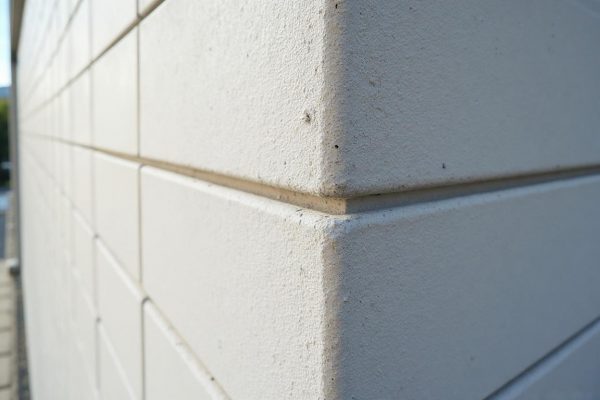
Casing beads and expansion joints give the finish room to move and stop random cracking. Weep screeds at the base let trapped water exit instead of soaking upward into the wall.
A proper drainage plane behind the stucco directs water down and out. Building wrap such as Tyvek, sealed at seams and edges, protects the sheathing. At EIFS edges, back-wrapping and mesh terminations keep the system tight.
Lath provides the backbone. In hard coat systems, galvanized lath must be fastened correctly and covered by a complete scratch coat and brown coat. In EIFS, fiberglass mesh embedded in base coat spreads stresses and provides impact resistance. EPS board creates the insulation layer and keeps heat inside during Edmonton winters.
Where stains hint at hidden issues, these parts deserve inspection. Missing weeps and blocked drainage are top culprits in persistent staining.
Tools that speed accurate diagnosis and clean installation
Good contractors bring the right equipment. Specialized scaffolding systems create safe access on multi-storey exteriors and tight side yards common in North East Edmonton. Industrial mixers produce consistent base and finish coats without clumping. Stucco sprayers lay down uniform acrylic finishes that weather evenly. Thermal imaging cameras find leaks and cold bridges before patches go on. The right tools save guesswork and prevent repeat visits for the same stain.
Brand materials that hold up on Edmonton streets
Material choice matters in a place that swings from -30°C to summer heat. Imasco Minerals base coats bond well and cure to a durable substrate. Sto Corp acrylic finishes add color retention and flexibility that handle daily expansion. For higher performance and thicker insulation, Dryvit EIFS packages offer proven drainage and impact options. These systems are part of the repair strategy, not just the final color.
Depend Exteriors installs Imasco base and Sto acrylic finishes on many Beacon Heights homes. For clients who want energy savings and better comfort, the team specifies Dryvit EIFS with a drainage plane and EPS board thickness that matches the home’s needs. The finish looks clean, and the wall dries the way it should.
Reading stains by location: quick patterns
Under window sills with dirty vertical streaks: likely failed flashing or sealant. A bead of caulk alone will not last if the head flashing or end dams are wrong. The fix replaces or augments flashing, resets the drainage path, then refinishes the area.
At the base of walls with white crust or flaking parging: likely capillary wicking and salts. Lower the grade if possible, re-route downspouts, add or clear weep screeds, then repair parging with the right bonding agents and breathable coats.
At roof valleys meeting walls with fanned dark spots: likely step flashing or counter-flashing errors. Correct the metal details, verify the building wrap continuity, then address the finish coat.
Around deck ledgers with dark ovals: likely ledger penetrations without proper flashing and spacing. Remove finishes as needed, install proper flashing and stand-off hardware, rebuild the drainage plane, then restore the stucco.
Random circles or soft bulges: likely delamination and trapped moisture in the scratch or brown coat. Open a test area, assess lath and substrate, and plan remediation with new lath, base coats, and flexible acrylic finishes.
What homeowners can do before calling a contractor
A short homeowner check saves time. Walk the home after a rain. Note where the stain starts, not just where it shows. Look for open gaps at windows and joints. Tap suspect areas gently. A hollow sound can signal delamination. Check downspouts and grading. If water pools near parging, address that first. Take photos two or three days apart to see if “wet” patches dry or persist.
Then call a Beacon Heights AB stucco contractor who knows this housing stock. Ask about moisture testing, thermal imaging, and how they handle drainage details. A strong answer mentions weep screeds, building wrap continuity, and proper terminations at windows, doors, and foundations.
How a professional remediation unfolds
A thorough repair begins with a full exterior inspection and a free estimate. For higher-risk areas, a thermal imaging report shows where moisture or heat loss occurs. If testing confirms wet sheathing or failed coats, the crew sets scaffolding to create safe, full access. Protection of landscaping and walkways follows.
Openings happen at the worst locations first, so the scope reflects real conditions. If the team finds rotted sheathing or mould growth, they replace damaged substrate and treat adjacent areas. They install building wrap with taped seams, add casing beads at terminations, and set weep screeds at the base. Control joints are placed to break up large spans and relieve stress.
If the client selects EIFS, EPS boards go on with proper adhesive or mechanical fastening, and joints are staggered to avoid planes of weakness. Fiberglass mesh embeds in a polymer-modified base coat. After cure, an acrylic finish coat goes on using industrial sprayers for even texture. If the client selects acrylic stucco over an existing hard coat, the crew repairs the base coats, applies a bonding base, then finishes with an acrylic top coat.
At grade, parging repairs align with water flow. The crew reshapes the base to shed water and applies a cementitious parge that breathes. They avoid sealing in moisture with impervious paint at the foundation line, which often makes efflorescence worse.
Final walkthrough includes sealant checks at all penetrations and transitions. The crew confirms that vents, hose bibs, and fixtures have proper boots and seals so stains do not return.
Local context: Beacon Heights, Beverly Heights, and nearby streets
Homes near Abbottsfield Mall and along the Yellowhead Trail corridor face constant wind and winter grit. Surfaces wear faster and show stains sooner. Properties close to Rundle Park often see more shade and snow load along north elevations. That slows drying and encourages algae. Many T5W addresses share the same original stucco assemblies. A contractor who has opened walls in these blocks knows where the weak points usually sit.
Depend Exteriors serves homeowners across T5W and T5A in North East Edmonton, including Beacon Heights, Beverly Heights, Abbotsfield, Rundle Heights, Highlands, and Montrose. The team mobilizes quickly via Victoria Trail and Yellowhead Trail, so small leaks do not sit through another cycle. For clients in Sherwood Park, St. Albert, and Strathcona County, the approach is the same: fix water management first, then finish.
Why material pedigree matters
Cheap finishes hide stains for a season but cannot solve movement and drainage. Systems from recognized manufacturers connect components that work together. Imasco Minerals base coats build a reliable canvas. Sto Corp acrylic finishes resist Alberta UV and remain flexible across temperature swings. For higher-end performance, Dryvit EIFS offers thermal gains and impact resistance that protect corners and busy walkways. Premium pigments hold color, so future touch-ups blend well and map-pack photos of the property stay crisp.
Signs the stain is more urgent than it looks
If a stain grows after a dry spell, not just after rain, there may be an active leak from inside the wall, such as a plumbing vent or a hidden condensation issue. If the finish feels spongy under finger pressure, substrate damage is likely. If indoor drywall near the same spot shows marks or smells musty, wood rot may have started. Rapid action prevents larger tear-offs and protects framing.
What “good” looks like after repair
A repaired Beacon Heights exterior looks uniform and drains predictably. You see straight casing beads, aligned control joints, and clean transitions at windows and doors. At the base, a visible weep screed creates a shadow line above grade. Downspouts discharge several feet away from walls. Winter comes and goes, and hairline cracks do not spider out across elevations. Most of all, old stain paths do not reappear after storms.
Service snapshot for Beacon Heights homeowners
- Free exterior estimate with optional thermal imaging report to pinpoint moisture and cold bridges. Stucco remediation that removes failed lath and delaminated coats, rebuilds drainage planes, and reinstalls durable base and finish coats. Acrylic stucco finishes using Sto products over Imasco base coats for flexible, weather-resistant exteriors. EIFS upgrades with Dryvit for better insulation, impact resistance, and long-term stain resistance. Targeted parging repairs at grade with attention to water routing, salts, and breathable finishes.
Credentials and trust
Depend Exteriors is a licensed and bonded stucco contractor serving Beacon Heights and greater Edmonton. The company maintains full WCB Alberta coverage and liability insurance. It holds an A+ rating with the Better Business Bureau. Many projects include a 10-year workmanship warranty on finish coats. The team installs brand systems from Imasco Minerals and Sto Corp, with options for Dryvit EIFS where higher thermal performance is desired.
A quick homeowner checklist before booking
- Note where stains start and take dated photos after rain and after two dry days. Check if downspouts drain at least two meters from walls. Look for open joints at windows and doors and brittle or missing sealant. Tap suspect areas to listen for hollow sounds that hint at delamination. Gather any past repair notes so the contractor can plan a precise scope.
Ready help from Beacon Heights AB stucco contractors
Stucco should protect the home, not broadcast a leak path. Water stains are the sign to act. Depend Exteriors specializes in exterior wall cladding, acrylic stucco, EIFS, stucco remediation, and parging repair for the historic bungalows and family homes across Beacon Heights. The team uses scaffolding systems for safe access, industrial mixers and sprayers for consistent finishes, and thermal imaging cameras to catch hidden leaks.
Request a free professional stucco inspection and thermal imaging report for your home exterior. Serving Beacon Heights, Beverly Heights, Abbotsfield, Rundle Heights, and nearby neighborhoods in T5W, T5A, and T5B. Located near the Yellowhead Trail, the crew mobilizes fast for projects near Rundle Park and along Victoria Trail. Contact Depend Exteriors to schedule an assessment and get a clear, written estimate. A dry, clean exterior is within reach, and with the right details in place, stains become a story from last winter—not the next one.
Depend Exteriors are Damage Stucco Repair Experts in Edmonton, AB
Depend Exteriors provides hail damage stucco repair across Edmonton, AB, Canada. We fix cracks, chips, and water damage caused by storms, restoring stucco and EIFS for homes and businesses. Our licensed team handles residential and commercial exterior repairs, including stucco replacement, masonry repair, and siding restoration. Known throughout Alberta for reliability and consistent quality, we complete every project on schedule with lasting results. Whether you’re in West Edmonton, Mill Woods, or Sherwood Park, Depend Exteriors delivers trusted local service for all exterior repair needs.
Depend Exteriors
8615 176 St NW
Edmonton,
AB
T5T 0M7
Canada
Phone: (780) 710-3972
Website: dependexteriors.com | Google Site | WordPress